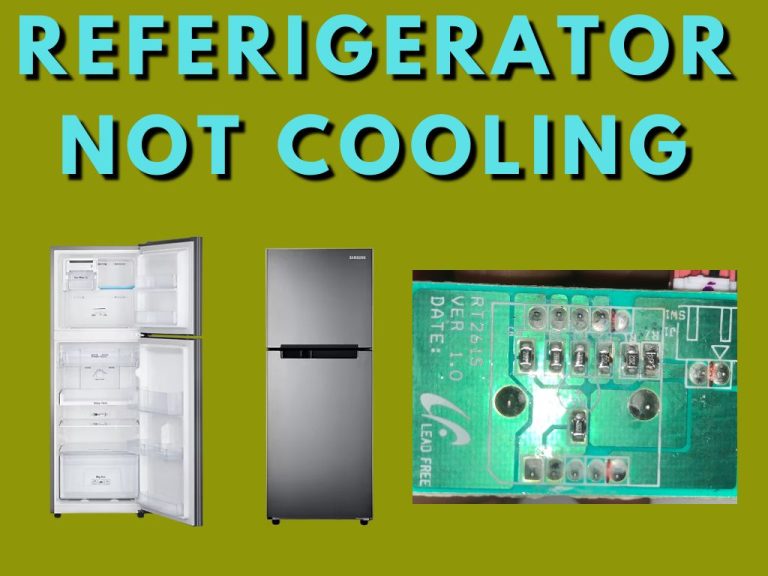
Repairing Samsung Inverter Refrigerator: Bottom Compartment Not Cooling
Understanding How Samsung Inverter Refrigerators Work
- The controller board reads data from thermistors to detect the current temperature.
- Based on the settings and readings, the board activates the compressor and fans to circulate cold air.
- Once the set temperature is reached, the compressor and fans stop to save energy.
Tools You’ll Need for Troubleshooting:
- Multitester (Digital preferred)
- Soldering iron
- Screwdriver set
- (Optional) Power supply (regulated, under 12V)
Step-by-Step Troubleshooting Guide
- Open the Condenser Cover
- Access the condenser fan and temperature sensors located behind the panel of the lower door.
- Check the Thermistor
- Disconnect the thermistor connector.
- Set your multitester to resistance mode (around 10k ohms).
- Measure resistance at room temp, then submerge the sensor in cold water.
- If resistance changes with temperature, the thermistor is likely fine.
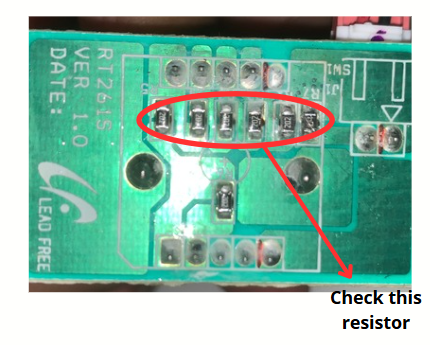
- Inspect the Rotary Temperature Selector
- Samsung often uses a rotary switch for temperature control.
- Check for rust or corrosion on the board.
- Test resistance values by rotating the dial while probing the connector.
- Lowest setting: ~2.5kΩ
- Highest: ~10kΩ
- If resistance values are inconsistent, the SMD resistors may need replacing.
- Test the Condenser Fan
- If ice builds up but cold air isn’t circulating, the fan may be faulty.
- Check resistance on the fan motor.
- You can also test it with a regulated power supply (not over 12V).
- Examine Air Ducts and Condenser Path
- Sometimes airflow is blocked due to ice buildup or debris.
- Ensure nothing is obstructing cold air from reaching the bottom section.
Common Causes of This Issue:
- Fan motor failure (common with bottom compartment issues)
- Broken or faulty thermistor or rotary switch
- Dirty or blocked air vents
- Controller board malfunction (less common)
Conclusion
Repairing a Samsung inverter refrigerator that’s not cooling in the bottom section can often be done with basic tools and knowledge. By understanding how the system works and testing the key components (thermistor, fan, and rotary switch), you can often restore full function without replacing the entire fridge or calling a technician.